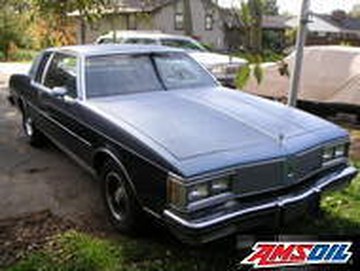
Lubrication Maintenance for the 1982 Oldsmobile 88 4.4L
Maintaining the engine lubrication system in a vehicle like the 1982 Oldsmobile 88 requires consistent attention to fluid condition and component integrity. For an engine with a 4.4L displacement, ensuring that the internal components receive appropriate lubrication is a fundamental aspect of long-term mechanical health. Because older vehicles often experience changes in how seals and gaskets behave over time, a proactive approach to monitoring fluids and inspecting for leaks can help prevent more significant issues.
Monitoring Fluid Condition and Consumption
One of the most effective ways to monitor the health of the 4.4L engine is through regular observation of the oil's appearance and level. Changes in how much lubricant the engine uses can be an important indicator of how various internal components are performing. If you notice that the oil level on the dipstick is dropping more frequently than expected between service intervals, it warrants a closer investigation.
When checking the oil, look for any unusual characteristics in the fluid itself. While some discoloration is normal due to heat and use, significant changes in texture or appearance should be noted. For example, if the lubricant appears excessively dark or contains visible particulates, it may indicate that the oil is reaching the end of its effective service life or that there is an issue with the filtration process. Additionally, any signs of contamination—such as a milky appearance—can suggest that other fluids are entering the lubrication system, which requires immediate attention to prevent internal damage.
Observing Potential Warning Signs
Identifying potential issues early can save significant time and resources during maintenance. While many mechanical concerns develop gradually, certain symptoms serve as important signals that the lubrication system or related components need inspection. It is important to remember that a single symptom can be associated with multiple different causes, so observations should be treated as starting points for further diagnosis rather than definitive proof of a specific failure.
- Visible Seepage: Inspecting the area around the engine for any signs of fluid weeping or active leaks is a vital part of routine checks. Even small amounts of seepage can eventually lead to lower oil levels.
- Unusual Noises: Any new or changing mechanical sounds during engine operation should be investigated, as these can sometimes be related to how components are being lubricated.
- Exhaust Observations: Changes in the color or consistency of exhaust gases may indicate that something is entering the combustion process that should not be there.
- Indicator Lights: If the dashboard displays any warnings related to oil pressure or lubrication, the vehicle should be inspected immediately to determine the cause.
If any of these signs are present, a thorough inspection by a qualified technician is recommended to identify the root cause and ensure the engine remains properly protected.
Age-Related Inspection Priorities
As vehicles age, the materials used in various gaskets, seals, and hoses may undergo changes in flexibility and integrity. For a 1982 model, it is practical to move away from assuming components are in perfect condition based solely on their appearance and instead focus on their actual state of service.
When performing routine maintenance, pay close attention to the condition of accessible seals and gaskets. Look for evidence of age-related seepage that might not yet be a significant leak but indicates that the material is beginning to degrade. Similarly, if the vehicle is equipped with various belts or hoses, inspect them for signs of cracking, glazing, or brittleness. These components are subject to heat cycles and environmental exposure, which can cause them to lose their intended properties over several decades.
Furthermore, checking electrical connections and wiring harnesses for signs of corrosion or fraying is a sensible practice. Ensuring that sensors and connectors related to engine monitoring are clean and secure helps maintain the accuracy of the information provided to the driver.
Establishing a Maintenance Baseline
For owners who may not have access to a complete service history for their 1982 Oldsmobile 88, establishing a maintenance baseline is a highly effective strategy. This involves performing a comprehensive inspection of all fluids and major engine-related components to determine their current condition.
By documenting the current state of the oil, the presence (or absence) of leaks, and the condition of belts and hoses, you create a reference point for future service. This baseline allows you to more easily recognize when a change occurs. For instance, if you know that the engine was not leaking at the start of your ownership, you can quickly identify new seepage as it develops. Keeping detailed records of every oil change, filter replacement, and observed inspection result is one of the best ways to manage the long-term health of an older vehicle.
Prioritizing Maintenance Tasks
Effective maintenance is not just about performing tasks on a schedule; it is about prioritizing actions based on the actual needs of the vehicle. Rather than attempting to replace every aging component at once, focus on addressing active concerns first. If you notice an active leak or a change in how the engine consumes oil, these should take precedence over general preventive measures.
Reviewing any available repair records can help you distinguish between what has been recently addressed and what may be approaching the end of its service life. This helps in making informed decisions about whether to perform preventive maintenance or to wait until a component shows clear signs of needing attention. The goal is to maintain a balance between proactive care and avoiding unnecessary parts replacement, always focusing on the components that most directly impact the engine's ability to operate reliably.
Buying Engine Oil for the 1982 Oldsmobile 88 4.4L
When it is time to replenish your engine lubricant, the most important step is to ensure the product you select matches the specific requirements of your engine. For this 1982 Oldsmobile 88 with the 4.4L engine, do not rely on general automotive knowledge or assumptions based on the vehicle's age to determine which grade to use.
Instead, match the engine oil to the application-specific viscosity information already displayed on this webpage. Before making a purchase, carefully check the product labeling to verify that the oil meets the necessary quality standards and certifications. Depending on your specific needs and the current condition of your engine, you may encounter various options such as conventional oils, synthetic blends, or full synthetic formulations. Some high-mileage oil formulations also contain additives intended for use in aging engines, including seal-conditioning additives. Always prioritize the viscosity and specifications provided in the application information above to ensure the best possible protection for your 4.4L engine.